


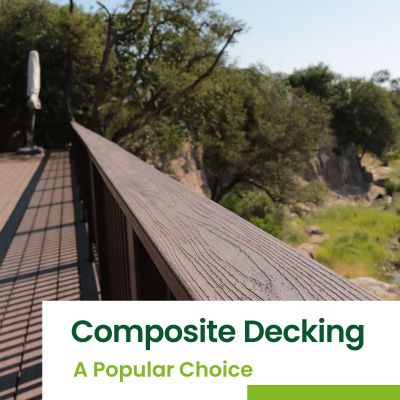

Wood was the material of choice for deck construction until the early 2000s. However, over the past two decades, composite products have emerged as a new decking solution due to significant advancements in their design.
While most decks are still built using pressure-treated timber, the popularity of outdoor living spaces has led to an increase in the use of composite woods. These composites offer the look and workability of wood but with greater water resistance, making them a low-maintenance option for decking.
Composite wood, like traditional wood, is easy to work with but has the added benefits of being less prone to splitting, cracking, warping, bowing, and twisting. Additionally, composite decking is more resistant to stains, scratches, and mold, and generally has a longer lifespan. Some composite decking is also engineered to be lighter for easier handling.
Although composite materials typically cost more than wood, rising demand has driven product development and made prices more competitive. Their durability and low-maintenance needs make them more economical over time. While composite decking is more resistant to weathering than other materials, it is not completely immune and will show signs of wear over time.
Many composite products are partially made from recycled plastics and waste wood, making them an environmentally friendly and efficient use of resources.
At Somerset Timbers we ensure a range of composite options is available. Browse our website or contact our sales team for guidance on the right product for your needs.


 Comalytics